Introduction
Reconciliation is the term used to describe the process that keeps ROCK updated with data from GSIS and RKEM systems. Specifically for Load/Discharge Events Data and GSIS Schedules data, there is a detailed logic, that controls how OTTs are synchronized/updated.
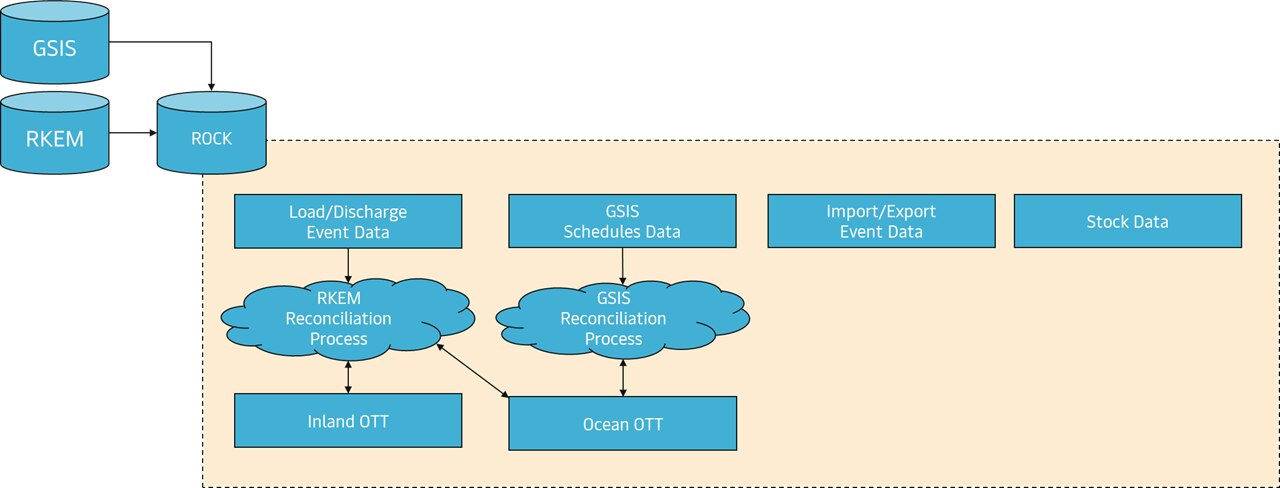
GSIS Reconciliation Process
ROCK keeps a copy of the latest version of the company vessel schedules from GSIS (Global Schedule Information System). At the time an OTT is created on a vessel schedule it using the most-recent update. However, as the schedules are frequently updated, a logic is needed in ROCK to keep aligning OTTs to their respective schedule. The process synchronizes OTTs to the latest batch of schedules, once every 60 minutes.
The primary changes includes:
- Arrival or Departure at Origin or Destination is updated
- Origin or Destination call is cancelled (omit)
- Origin or Destination call is updated to another site code
- Origin or Destination call voyage codes are updated
- To ensure a consistent and feasible flow plan, the GSIS Reconciliation logic will update OTTs according to the changes received from the GSIS vessel schedule updates.
For a detailed description of the vessel schedule reconciliation you can check GSIS Reconciliation section.
RKEM Reconciliation Process
The Reconciliation process is one of the core capabilities of ROCK as it is responsible for capturing the current and historical stock level, actual empty flows (i.e. Empty Load and Discharge events) and customer demand (i.e. export pick-up and import return events). Having this data enables not only a lot of important reporting for the equipment function, but more importantly, it enables ROCK to generate a projection of future stock (see also Stock) and optimisation.
This section describes how the RKEM reconciliation process is started in COMS DataStore (see RKEM Processing (CDS)), and later processed in ROCK to align historical stock, import/export events, and reconciliation of Load/Discharge numbers to OTTs.
COMS DataStore (CDS)
The RKEM Process is started in CDS, by reading the latest RKEM moves and translating it into separate data sets, each critical to flow planning in their own way. The data includes
- A "MovesRollUp" table, which includes a flat list of RKEM moves
- Mapping of each equipment number to the ROCK Equipment Groups - e.g. "40HIGH*" (see RKEM Mapping)
- Mapping of each equipment move to a Equipment Condition - e.g. "Sound" (see RKEM Mapping)
- Mapping of each equipment move to Stock Condition - e.g. "Empty on Vessel", "Empty at Location" (see RKEM Mapping)
By utilising the raw RKEM rollup and the mappings, the CDS process is able to capture the following data at container level
- Current Stock
- Historical Stock
- Load and Discharge events
- Import/Export events
- Total Fleet Size (active fleet)
To ensure consistent and updated data, CDS will the data at equipment level, and will recalculate each of the above datasets every time RKEM is updated. This is done by recalculating the full history of a specific equipment unit any time CDS receives a related update. The next step of the CDS process is to consolidate the datasets into aggregated numbers (i.e. "deltas"). This is done to minify the data, and support high performance in ROCK. Consequently, ROCK is not able to show users the equipment numbers on OTTs on anything, except current stock. Finally, the aggregated numbers are sent to ROCK using the following schema
- Frequent Batch Updates (~every 40 minutes on weekdays)
- Current Stock
- Import/Export events
- Load and Discharge
- Daily Updates
- Historical Stock
- Total Fleet Size (active fleet) - a copy is sent to DDFO, which uses it for fleet size report
To understand more about the process, please see RKEM Processing (CDS).
ROCK Processing
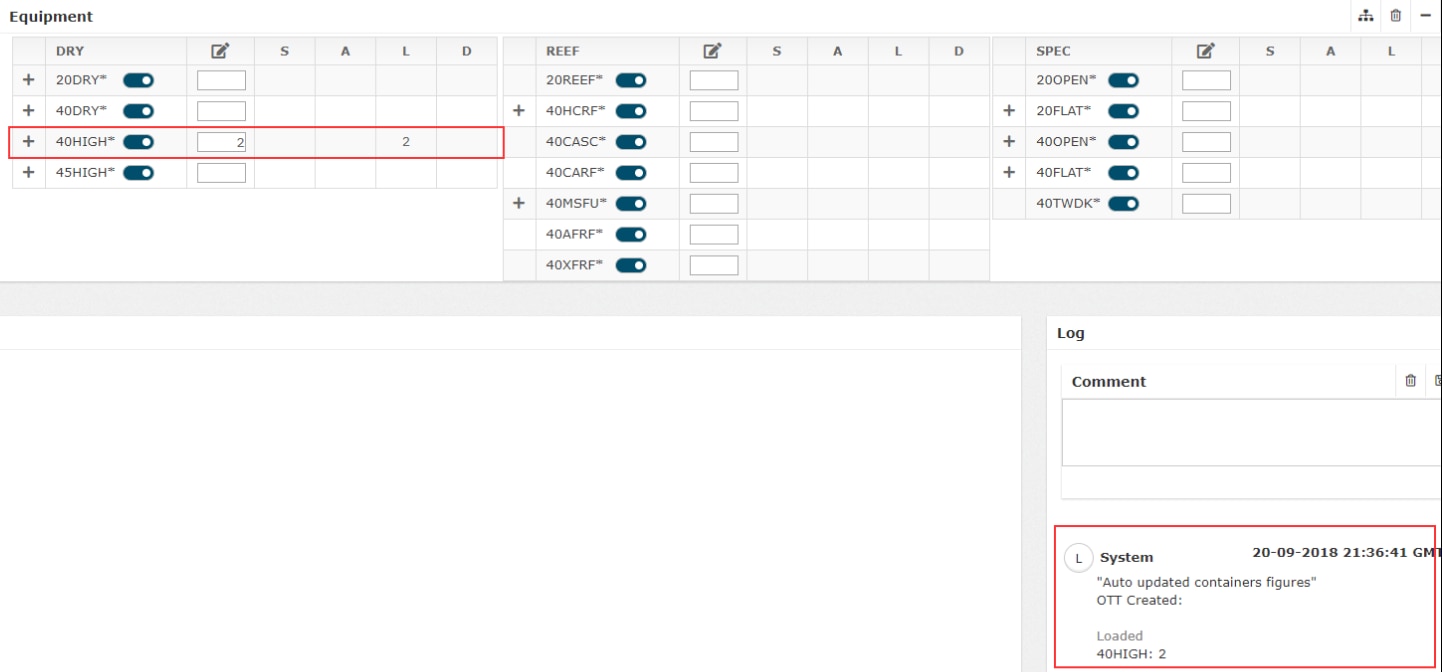
Most of the updates from CDS to ROCK doesn't require any processing and will just be updated as they are received. However, the Load and Discharge moves receives requires additional logic, before they can be correctly assigned to relevant OTTs. To reconcile Load/Discharge numbers to OTTs, ROCK uses different logic for different types of OTTs.
- Ocean Reconciliation
- Inland Reconciliation
- Dummy OTTs (see GSIS Reconciliation)
Attachments:
 image2018-9-27_14-30-30.png (image/png)
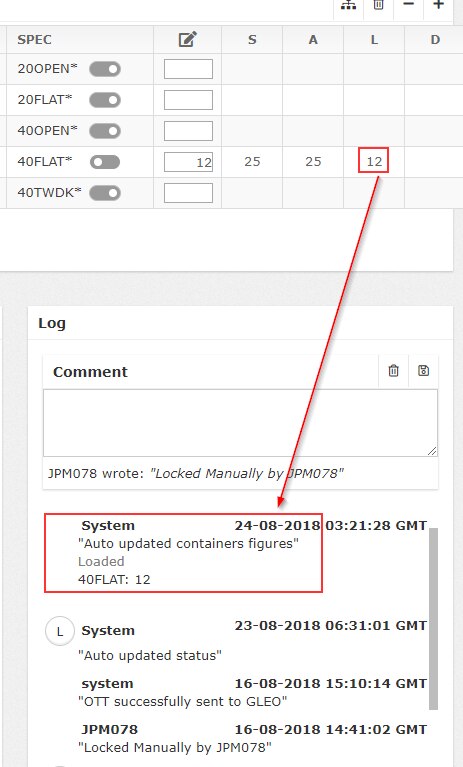 image2019-4-15_8-32-14.png (image/png)
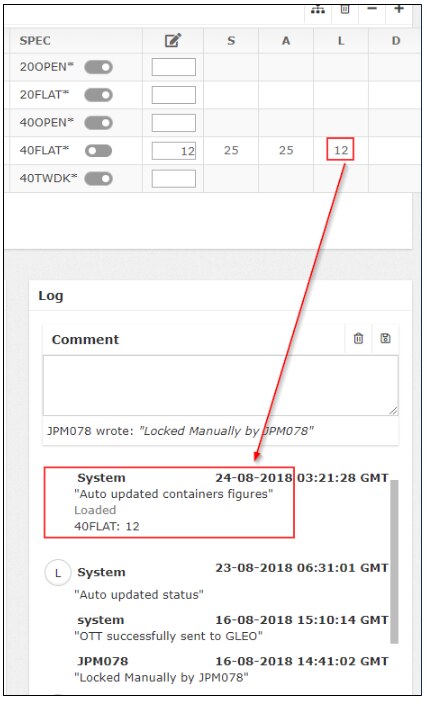 image2018-11-28_15-16-11.png (image/png)
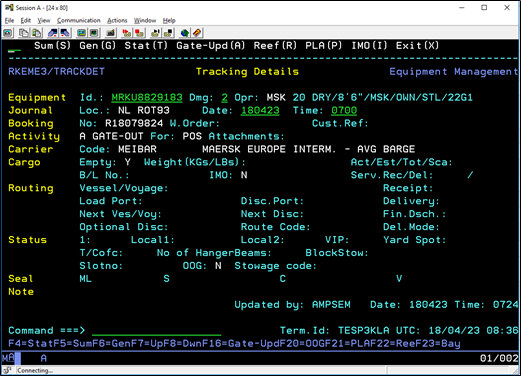 image2018-11-28_15-23-53.png (image/png)
 image2018-10-1_10-30-4.png (image/png)
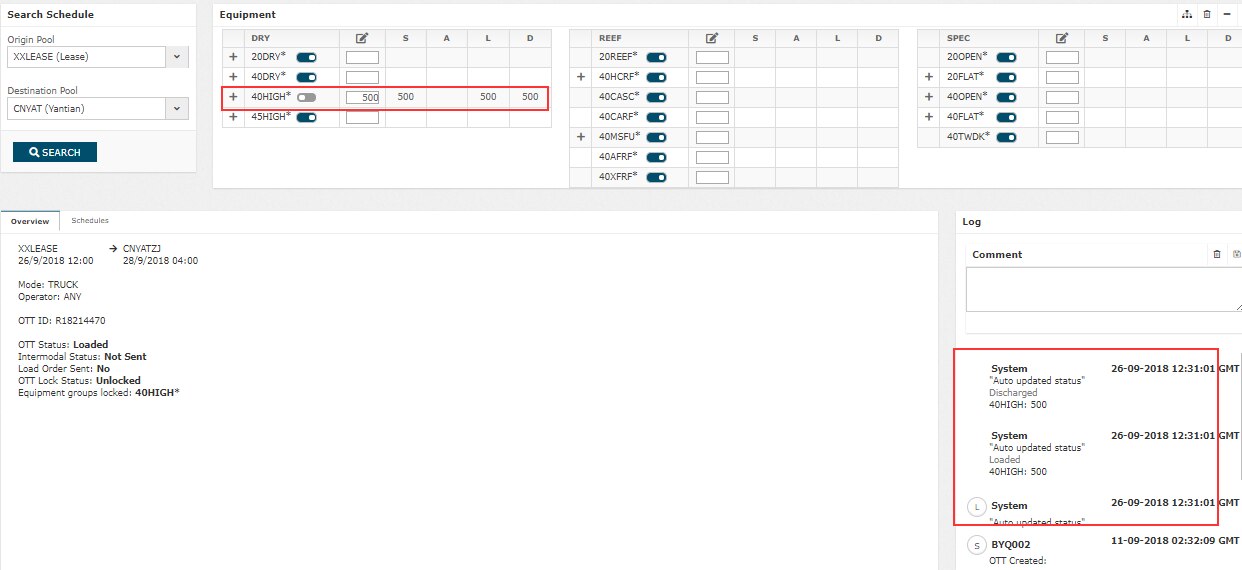 image2019-4-16_9-30-55.png (image/png)
 Intermodal Reconciliation Process Chart v4.pdf (application/pdf)
Intermodal Reconciliation Process Chart v4.vsdx (application/vnd.ms-visio.drawing)
Intermodal Reconciliation Process Chart v5.pdf (application/pdf)
Intermodal Reconciliation Process Chart v5.vsdx (application/vnd.ms-visio.drawing)
image2020-2-25_13-55-33.png (image/png)
Intermodal Reconciliation Process Chart v4.pdf (application/pdf)
Intermodal Reconciliation Process Chart v4.vsdx (application/vnd.ms-visio.drawing)
Intermodal Reconciliation Process Chart v5.pdf (application/pdf)
Intermodal Reconciliation Process Chart v5.vsdx (application/vnd.ms-visio.drawing)
image2020-2-25_13-55-33.png (image/png)
 image2020-11-4_9-51-13.png (image/png)
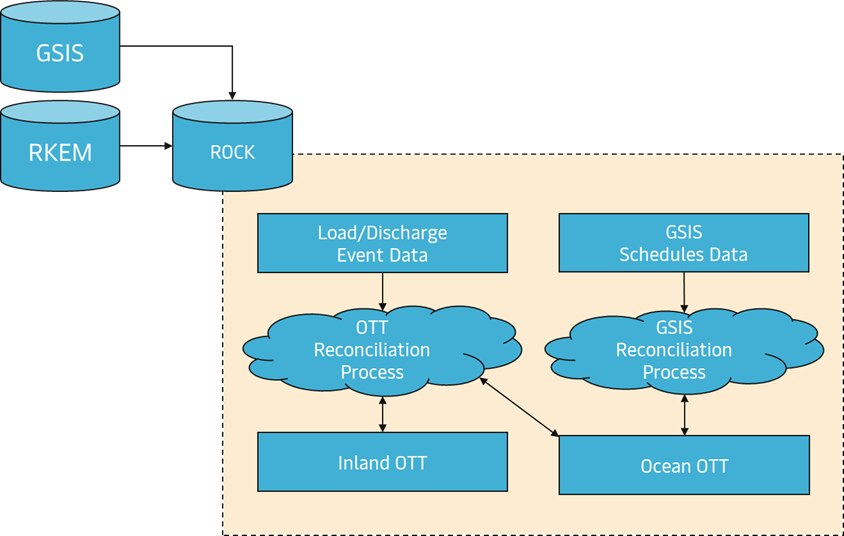 image2020-11-4_10-0-35.png (image/png)
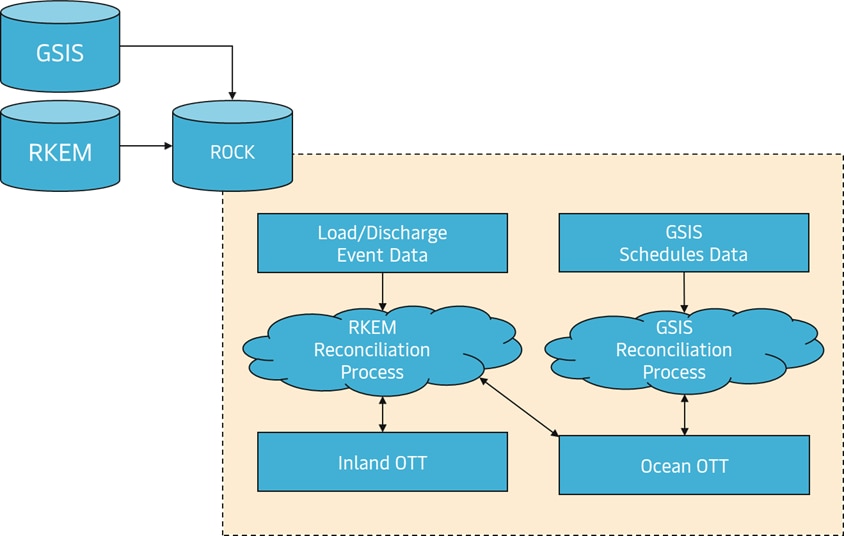 image2020-11-4_10-3-13.png (image/png)
