Introduction
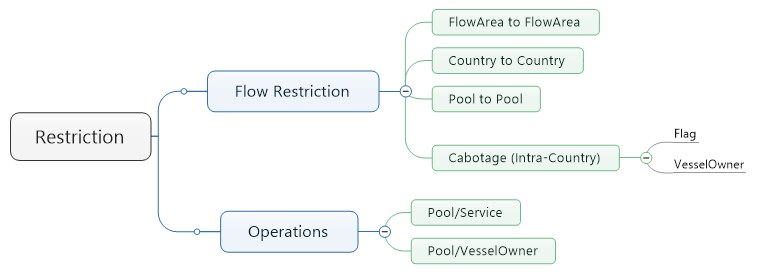
In some countries, coast-wise transportation of merchandise between two domestic points (i.e. cabotage) is regulated. To ensure all relevant regulations are respected, and prevent Maersk from getting fined, DDFO must know and respect these rules. Furthermore, DDFO may suggest some flows that does not consider all aspects of operational feasibility. To assist PLP in generating feasible empty flows, some combinations can be restricted directly in the model.
This page describes which rules are included in DDFO, and how the rules can be managed in ROCK.
Managing Restrictions in ROCK
The restrictions are managed as general restrictions and specific cases. The general restrictions restrict empty flow combinations that are common across regions, while specific cases restrict behaviour limited to very specific to countries and/or services. The general restrictions are managed as individual reference data in ROCK master data, while the specific cases are enabled/disabled in the scenario parameters reference data. All files are accessible in the ROCK Master Data screen in ROCK.
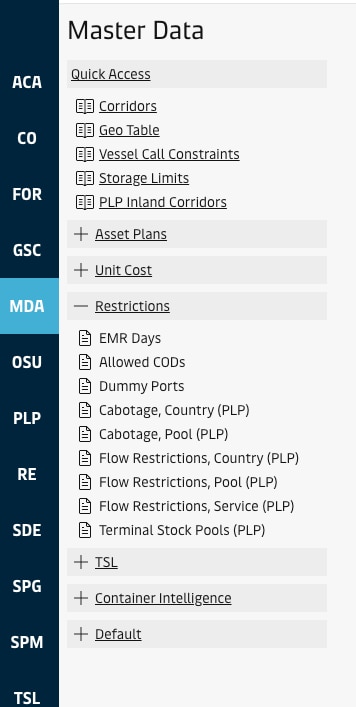
General Restrictions
Restricting Flows on Country Level
Country flow restrictions can be used to prevent PLP to create OTTs between specific countries. Reference data can be accessed in reference data: "Flow Restrictions, Country (PLP)".
Applied example 1: The optimiser will not suggest OTTs that are loaded at a site in the country CN and discharged at a site in the country TW. In order to prevent OTTs also in the opposite direction then a separate restriction is needed.
OriginCountryCode | DestinationCountryCode | |
|---|---|---|
| 1 | CN | TW |
Restricting Flows on Pool Level
Group restrictions can be used to define groups of pools, where PLP is not allowed to suggest OTTs between. Reference data can be accessed in reference data: "Flow Restrictions, Pool (PLP)".
Applied example 1-4: In this case the pools SGSIN, MYTPP, KRBUS and HKHKG are defined to be in the same restriction group "HUB to HUB". The optimiser will not suggest any OTTs between any of these pools.
RestrictionGroup | PoolCode | |
|---|---|---|
| 1 | HUB to HUB | SGSIN |
| 2 | HUB to HUB | MYTPP |
| 3 | HUB to HUB | KRBUS |
| 4 | HUB to HUB | HKHKG |
Restricting Operations on a Service
Some services are very limited in which operations are allowed. This flow restriction works as a positive-list of allowed actions on a specific service. If a service is assigned a restriction then each suggested OTT on that service must match at least one of the operations from the list. Reference data can be accessed in reference data: "Flow Restrictions, Service (PLP)".
Applied example 1-2: In this case, a positive list is applied against service '49T'. Any suggested empty flow must either have a Load or a Discharge operation in MTJMW.
ServiceCode | PoolCode | Operation | |
|---|---|---|---|
1 | 49T | MTJMW | Load |
2 | 49T | MTJMW | Discharge |
Restricting Cabotage Based on Vessel Flag
In many cases, allowed coast-wise flows are determined based on registered vessel flags of a vessel. Reference data can be accessed in reference data: "Cabotage, Country (PLP)".
Applied example 1: A positive list is applied against country 'MA', specifying that, in order to perform intra-country empty flow operations, the vessel must be registered under the 'MA' flag.
CountryCode | AllowVesselFlagCode | |
|---|---|---|
| 1 | MA | MA |
Specific Cases
The specific flow restrictions that are not covered by the general restrictions are managed in separate in the PLP scenario parameter input sheet, by simply enabling/disabling the rules. This section describes the rules related to each specific case and how they implicate the suggested PLP solution.
CN - Protection of Local Trade
This specific case requires PLP to comply with the following rule:
To create OTTs loading in a site within PoolCode CNHSK and discharge in any other pool within China, the vessel must be operated by Maersk Liner Business.
To create OTTs loading in a site within any PoolCode in China and discharge in PoolCode CNDAI, the vessel must be operated by Maersk Liner Business.
CN - No Intermediate Countries
This specific case requires PLP to comply with the following rule:
OTTs may not be created from a site in China to another site in China, given the vessel will call another country in-between.
CN - No Empty Flows to Taiwan
This specific case requires PLP to comply with the following rule:
No OTTs can be created from a site in CN to a site in TW
US - Jones Act
This specific case requires PLP to comply with the following rule
To create OTTs loading in a site in US to a site within US, the vessel flag must satisfy at least one of the following two conditions
(1) The vessel flag is registered under the US flag code
(2) The service includes at least one vessel operated by Maersk Liner Business, making calls within the next 3 months.
Attachments:
 image2018-8-28_12-29-6.png (image/png)
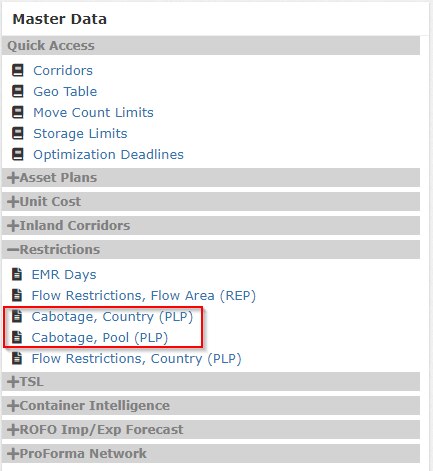 image2018-8-28_12-37-47.png (image/png)
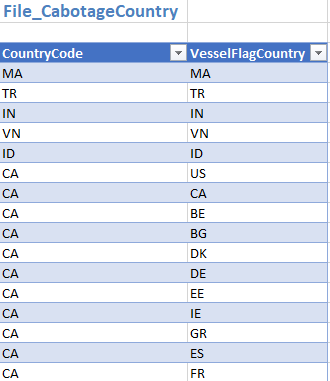 image2018-8-28_12-49-57.png (image/png)
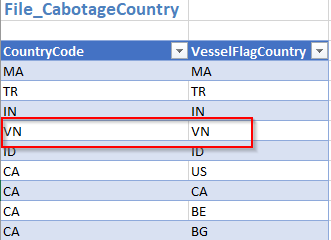 image2018-8-28_13-16-13.png (image/png)
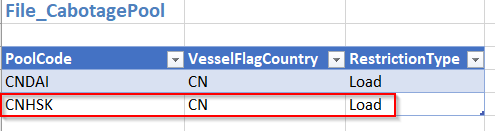 image2018-9-26_13-8-54.png (image/png)
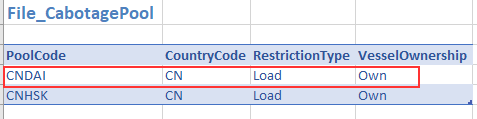 image2018-11-30_15-39-9.png (image/png)
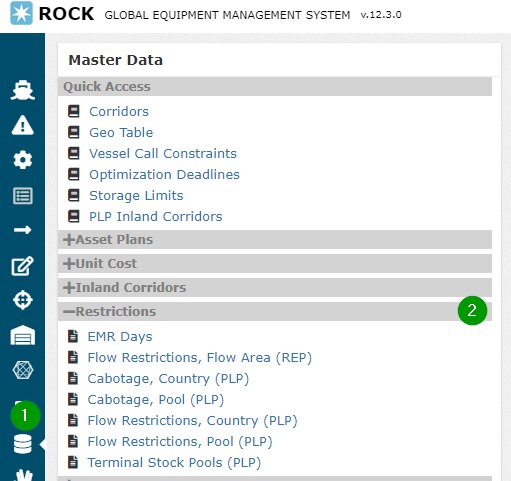 image2018-12-3_16-0-21.png (image/png)
 Screenshot 2025-09-03 at 5.43.54 PM.png (image/png)
